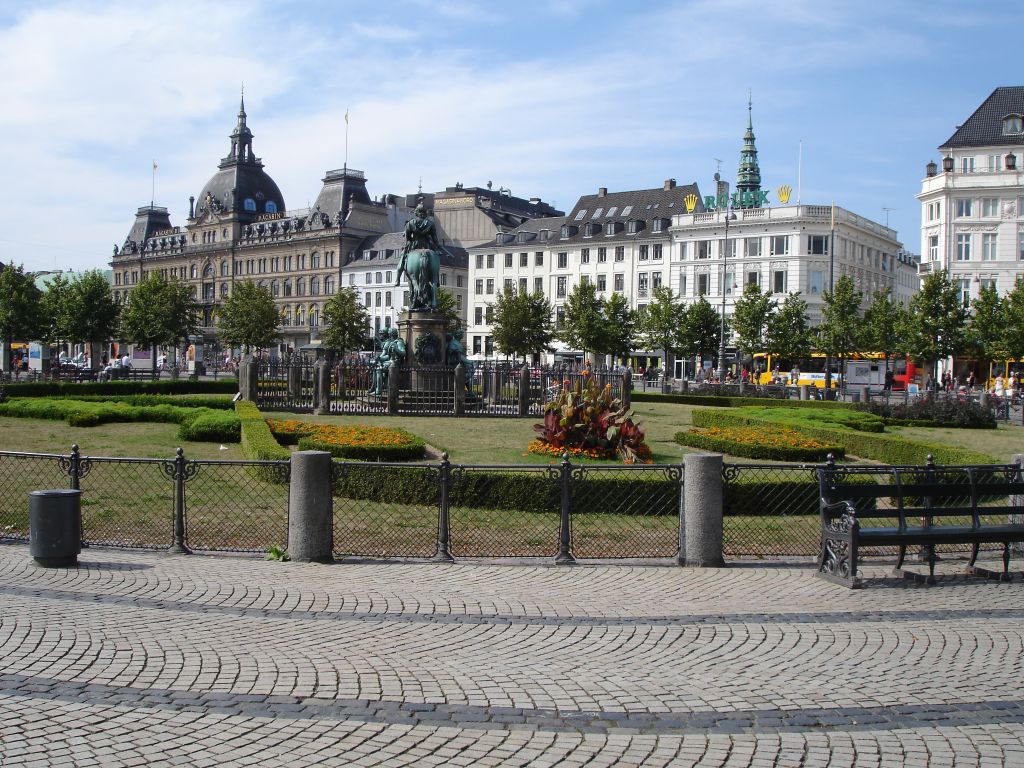
Kongens Nytorv
5 min walk
This major public square serves as a hub for exploring the city center and offers easy access to nearby shopping and historical architecture.
A Danish madlavningskursus can look opaque from the outside: a room of aprons, a chef moving quickly, and no clue which language the briefing will be in. This Copenhagen Cooking Class in English guide explains how the language actually works at the stations, from the opening demonstration to the last plate of smørrebrød. It also flags what a session covers, roughly what it costs, and which slots tend to fill first in autumn.
Quick answer
Yes — classes at Herluf Trolles Gade 9 are taught in English, with sessions running daily from 09:00 to 21:00 and entry-level places priced at 550 DKK per person. English is the working language of the kitchen rather than a special request. The one caveat: arrive 10 minutes before your specific booking, since each slot starts on time.
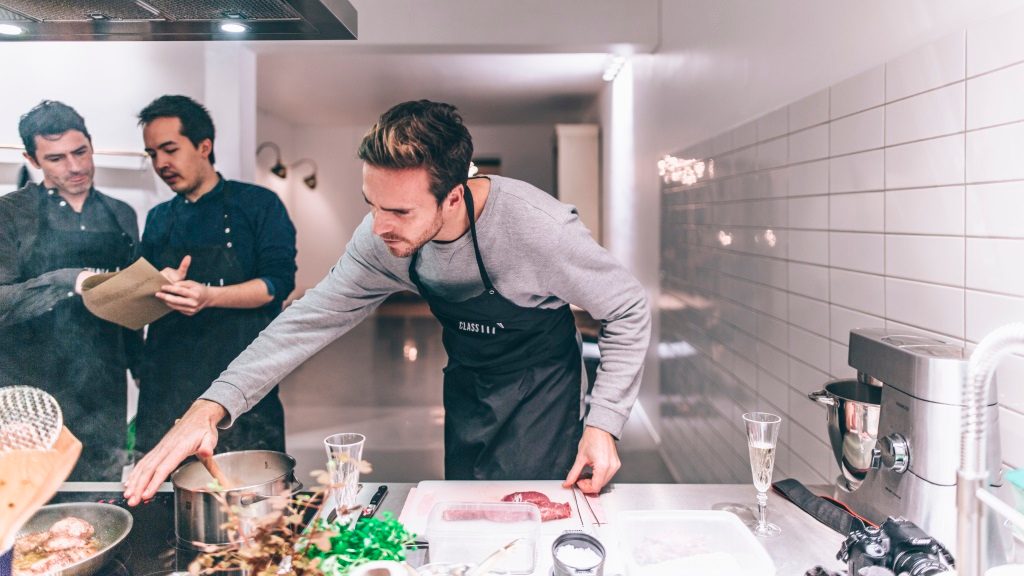
Rugbrød, the dense Danish sourdough rye at the base of almost every smørrebrød, needs a full day of fermentation before it is ever sliced. Visitors joining a Copenhagen cooking class in English rarely bake it from scratch; they learn to build on it. That distinction explains much about how these sessions are structured. The teaching kitchen sits in Copenhagen K, a short walk from the canals of Christianshavn and the harbourfront, and the working language at the stations is English throughout — the demonstration, the knife work, the plating notes. English-language instruction is not an accommodation in Copenhagen; it is the default. Denmark reports some of the highest English proficiency in Europe, and the city's kitchens are staffed accordingly. Classes draw a mixed room: Nordic food enthusiasts, business travellers with a free evening, couples on a long weekend. A chef instructor moves between stations rather than lecturing from the front. Groups stay small enough that questions get answered mid-chop. New Nordic technique appears, but so do older staples — pickled herring, remoulade, kanelsnegle pulled warm from the oven. The format rewards arriving with questions. Markets shape the menu more than the season's label does: Torvehallerne's fishmongers and the butchers along Frederiksborggade set what is worth cooking that week. Instructors tend to explain those substitutions aloud, which is where an English-language cooking course in Copenhagen earns its keep. Terminology gets translated as it comes up — mørbrad, syltede rødbeder, brunede kartofler — rather than left as a label on a handout. Notes are usually welcome. Photographs are too. Practically, that means the research question for most visitors is not whether a Danish cooking workshop will be comprehensible, but which session suits the day. Daytime slots tend to run quieter and attract solo cooks. Evening sessions fill fastest from October onward, when the light goes early and a warm kitchen becomes the obvious plan. Dietary requirements are handled at booking rather than on arrival, so flagging them early is worth the two minutes. Those weighing up a Copenhagen cooking class in English should also read the hours and arrival details set out elsewhere on this page before choosing a time; the booking panel lists what is actually available for the dates in question.
“English is not an accommodation in Copenhagen's teaching kitchens; it is the working language at the stations.”
Copenhagen Cooking Class in English operates on a consistent daily schedule throughout the entire week. These hours accommodate various cooking sessions to suit different visitor preferences.
Copenhagen Cooking Class is centrally located in Copenhagen K at Herluf Trolles Gade 9, 1, providing convenient access via public transport or walking from the city center.
M1 or M2 to Kongens Nytorv Station
Line 26 or 27 to Tordenskjoldsgade
From Nyhavn area
Direct to Herluf Trolles Gade 9
The best arrival window is 09:00–18:00. Please plan to arrive at the facility 10 minutes before your specific booking.
Herluf Trolles Gade is centrally located, allowing you to combine your culinary experience with a walk through some of Copenhagen's historic cultural landmarks. These locations provide a contextual look at the city before or after your session.
5 min walk
This major public square serves as a hub for exploring the city center and offers easy access to nearby shopping and historical architecture.
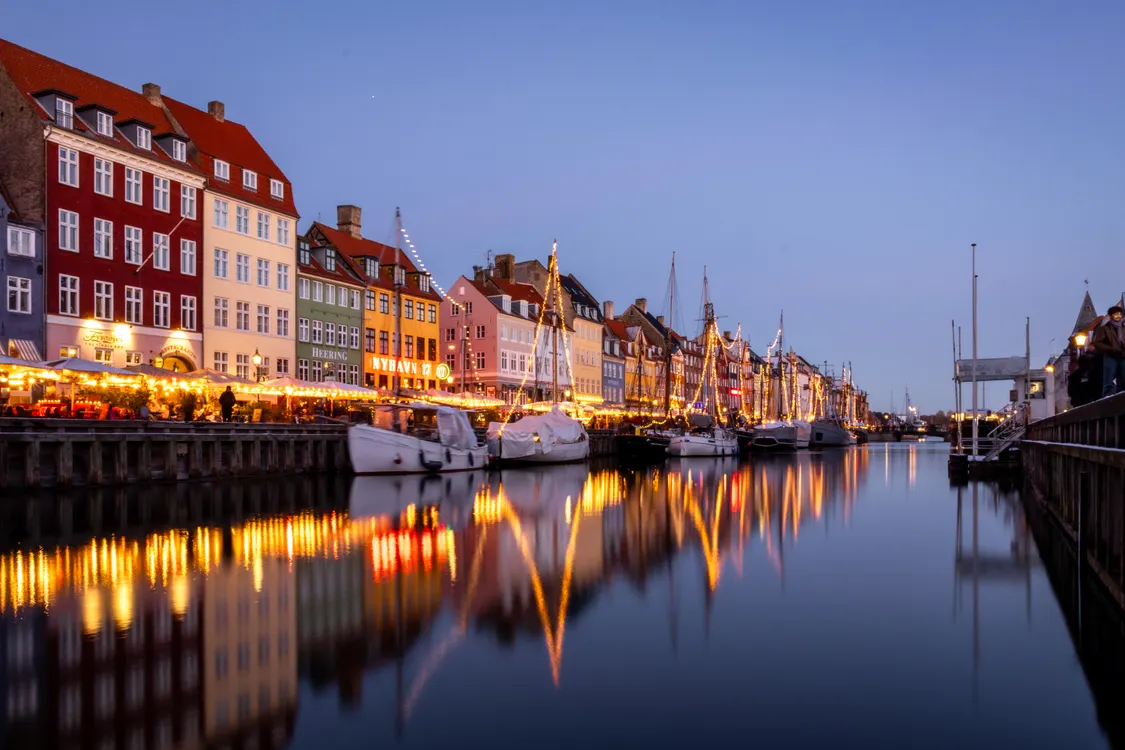
8 min walk
Famous for its colorful 17th-century townhouses and harbor, this site offers a scenic route for a post-class stroll.
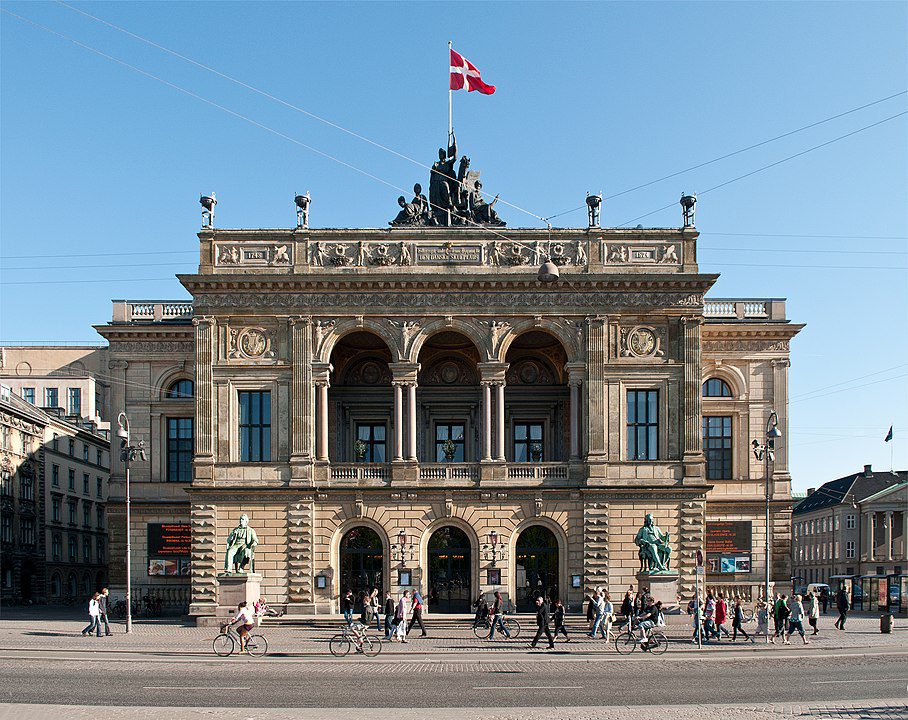
5 min walk
Located just a short distance away, this cultural institution highlights the artistic heritage of Denmark for those interested in local history.
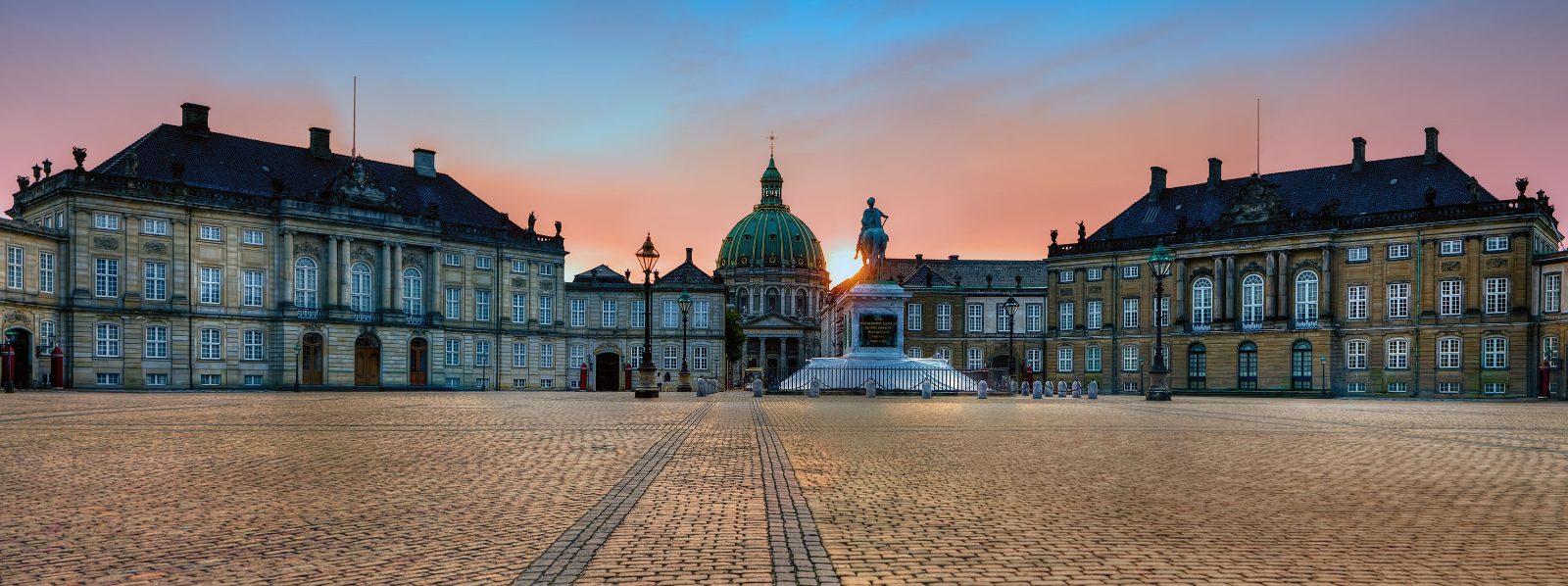
12 min walk
Home to the Danish royal family, this palace complex provides a significant historical landmark within a manageable walking distance from the cooking studio.
Everything you need to know about copenhagen cooking class in english
Yes, every session is conducted as a copenhagen cooking class in english to ensure all international guests can follow the instructions easily. Experienced chefs lead these interactive culinary sessions to help you master local techniques.
The entry fee is 550 DKK per person for entry-level sessions. This standard rate provides access to the kitchen space and necessary ingredients for your copenhagen cooking class in english.
It is recommended to schedule your visit ahead of time to secure your spot in a copenhagen cooking class in english. Since classes are scheduled throughout the day, please arrive 10 minutes before your specific booking.
The facility is open Monday through Sunday from 09:00 to 21:00. This wide availability makes it convenient to fit a culinary experience into your travel itinerary.
The kitchen is located at Herluf Trolles Gade 9, 1, 1052 Copenhagen K, Denmark. This central location is easily accessible for those exploring city landmarks during their stay.
Children are welcome to join the educational sessions, provided they are accompanied by an adult. These workshops offer a family-friendly way to learn about local gastronomy during your visit.